Why Build a Home in Suffolk
From the shingle beaches of Aldeburgh to the timber-framed charm of Lavenham, Suffolk offers a unique blend of heritage and modern opportunity. For those looking to build, this county provides a rare “best of both worlds” scenario: a tranquil, high-quality lifestyle paired with strategic connectivity.
Architectural Heritage Meets Modern Innovation
Suffolk is defined by a distinct “palette” of materials—ornamental flint, red brick, and the iconic “Suffolk Pink” lime wash. Building here allows you to work with these timeless textures while integrating 2026’s leading sustainability standards.
- Eco-conscious builds: Local planning often supports innovative “Passivhaus” designs and small-site infill projects that respect the rural character while featuring air-source heat pumps and solar PV arrays.
- Bespoke craftsmanship: The county’s rich history of timber framing means local builders are uniquely skilled in blending traditional joinery with modern, open-plan living.
Strategic Connectivity
One of the primary drivers for construction in Suffolk is its accessibility. With over 70 trains a day from Ipswich to London Liverpool Street, it is a premier choice for professionals who want a detached family home without sacrificing a career in the capital. The A14 and A12 corridors provide essential links to Cambridge’s “Silicon Fen” and the Port of Felixstowe, making it equally attractive for commercial ventures and residential investments.
Exceptional Value and Lifestyle
While property prices in the South East continue to climb, Suffolk remains competitive. In early 2026, average prices for detached homes in East Suffolk sit around £412,000—offering significantly more “house for your pound” than the London fringe. Beyond the finances, you are investing in:
- Outstanding Schools: A high density of Ofsted-rated “Good” and “Outstanding” institutions.
- Natural Beauty: Immediate access to the Suffolk Coast & Heaths Area of Outstanding Natural Beauty (AONB).
- Safety: Towns like Bury St Edmunds consistently rank among the safest places to live in the UK.
Whether you are looking for a coastal retreat or a contemporary family hub, building in Suffolk isn’t just a construction project—it’s a long-term investment in a better pace of life.
Restoration for Listed Buildings
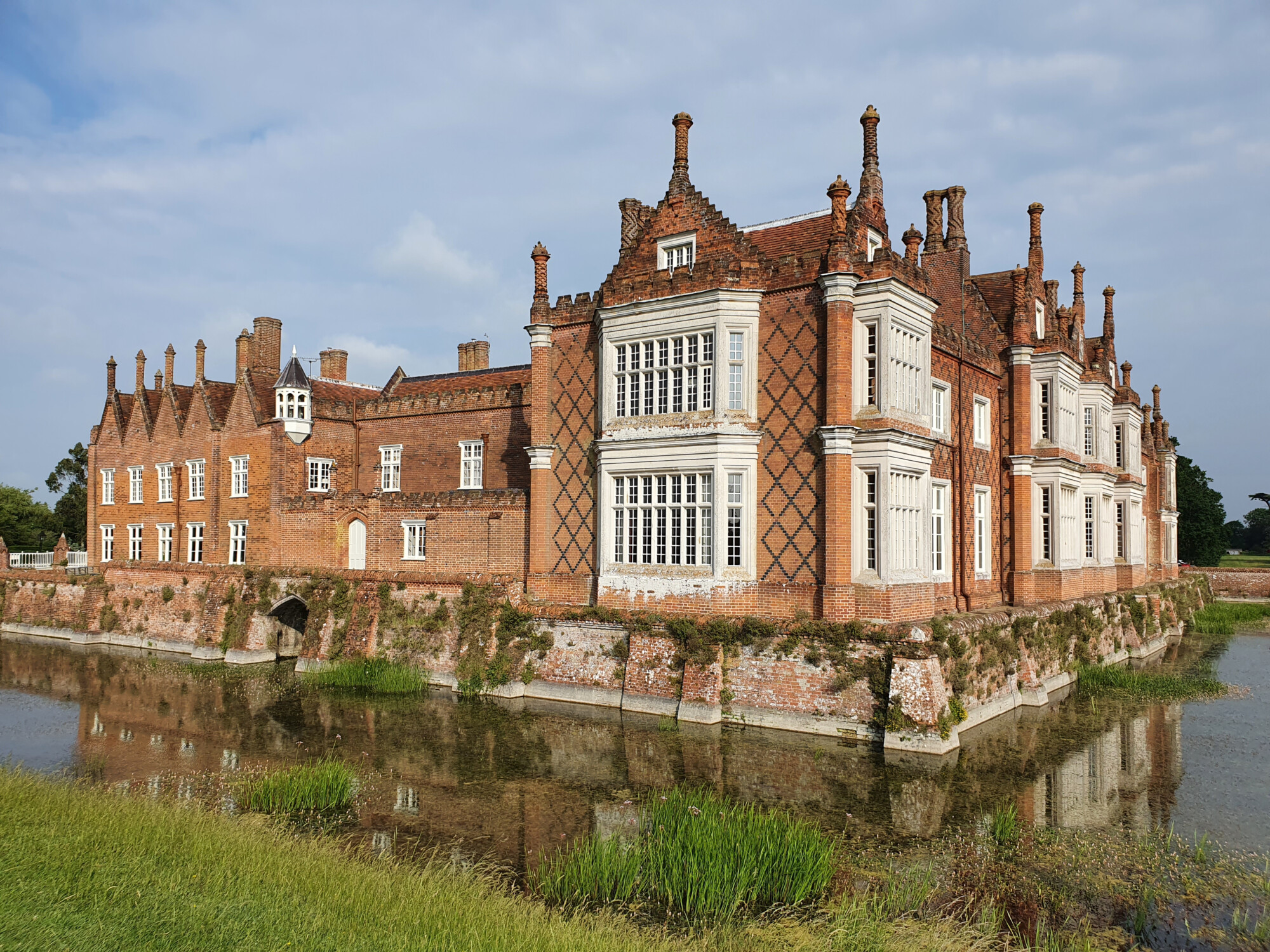
Owning or managing a listed building in the UK is a privilege, but it carries a significant responsibility. These structures are more than just bricks and mortar; they are the physical narrative of our history. Whether it is a Grade I stately home or a Grade II commercial premises, restoration requires a delicate balance between preserving the past and ensuring functional longevity for the future.
Respecting the Fabric of History
Restoring a listed building is not a standard construction project. It demands a “breathable” approach, using traditional materials that harmonise with the original construction. Using modern, impermeable materials like OPC (Ordinary Portland Cement) can trap moisture, leading to damp and structural decay. Instead, we focus on:
- Lime Mortars and Plasters: Essential for allowing the building to “breathe” and accommodate natural movement.
- Sustainably Sourced Timber: Matching species and grain for oak framing or joist repairs.
- Traditional Leadwork: Ensuring watertight integrity on complex rooflines and box gutters.
Navigating the Legal Landscape
Unauthorised work on a listed building is a criminal offence. For commercial developers and homeowners alike, the “Listed Building Consent” process can be daunting. Our team works closely with Conservation Officers and architects to ensure every repair is sympathetic to the building’s “special architectural or historic interest.” We document the process meticulously, ensuring that the heritage significance is protected while modern requirements—such as improved thermal performance or updated electrical systems—are integrated discreetly.
The Specialist Touch
From intricate flint work in East Anglia to Cotswold stone masonry, regional variations in the UK demand local expertise. Restoration is about craftsmanship; it’s about the stonemason’s chisel and the joiner’s plane. By choosing a contractor with a proven track record in heritage assets, you aren’t just fixing a roof or a facade—you are safeguarding a piece of British identity for the next century.
The Benefits of a Home Extension
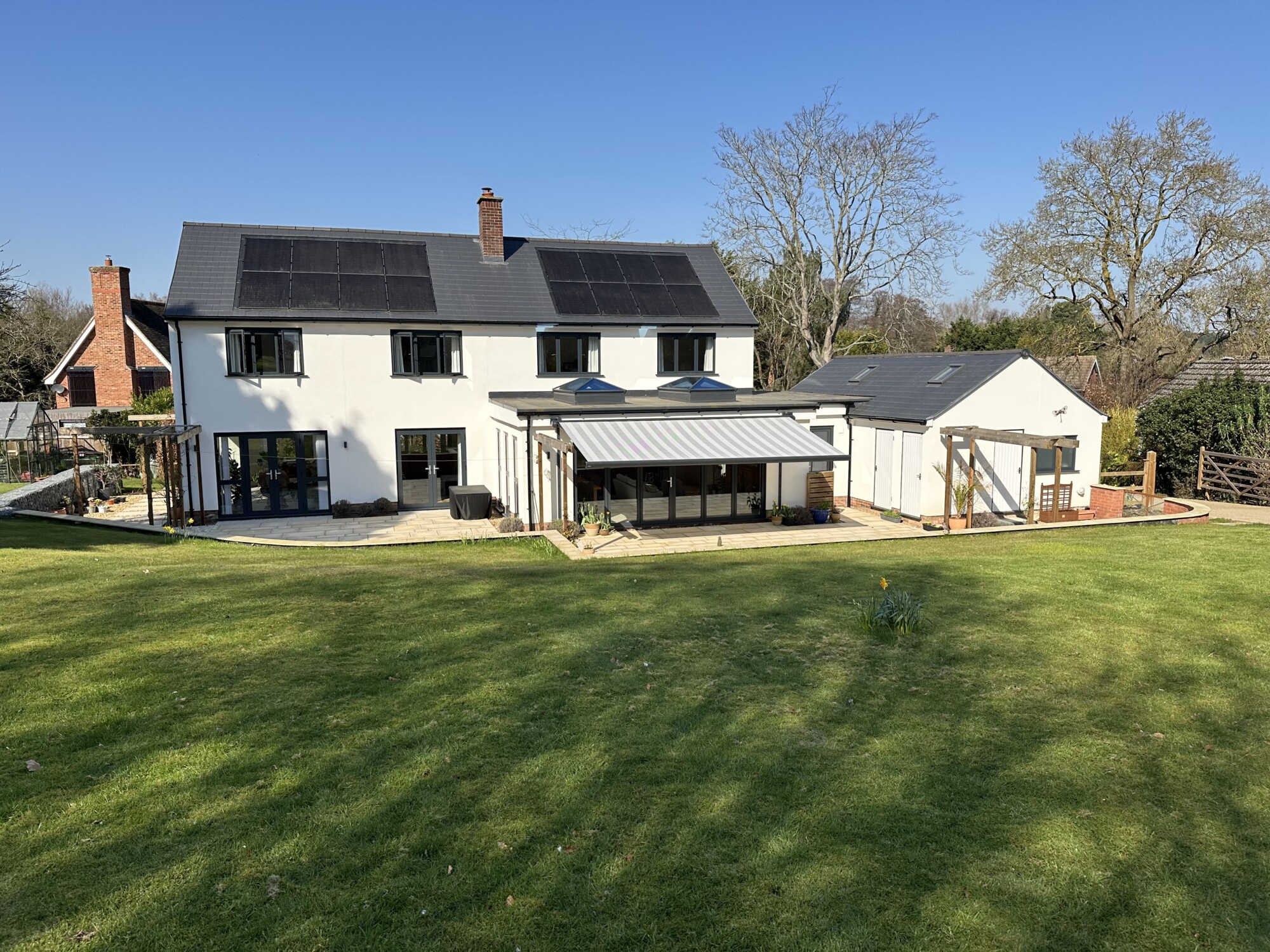
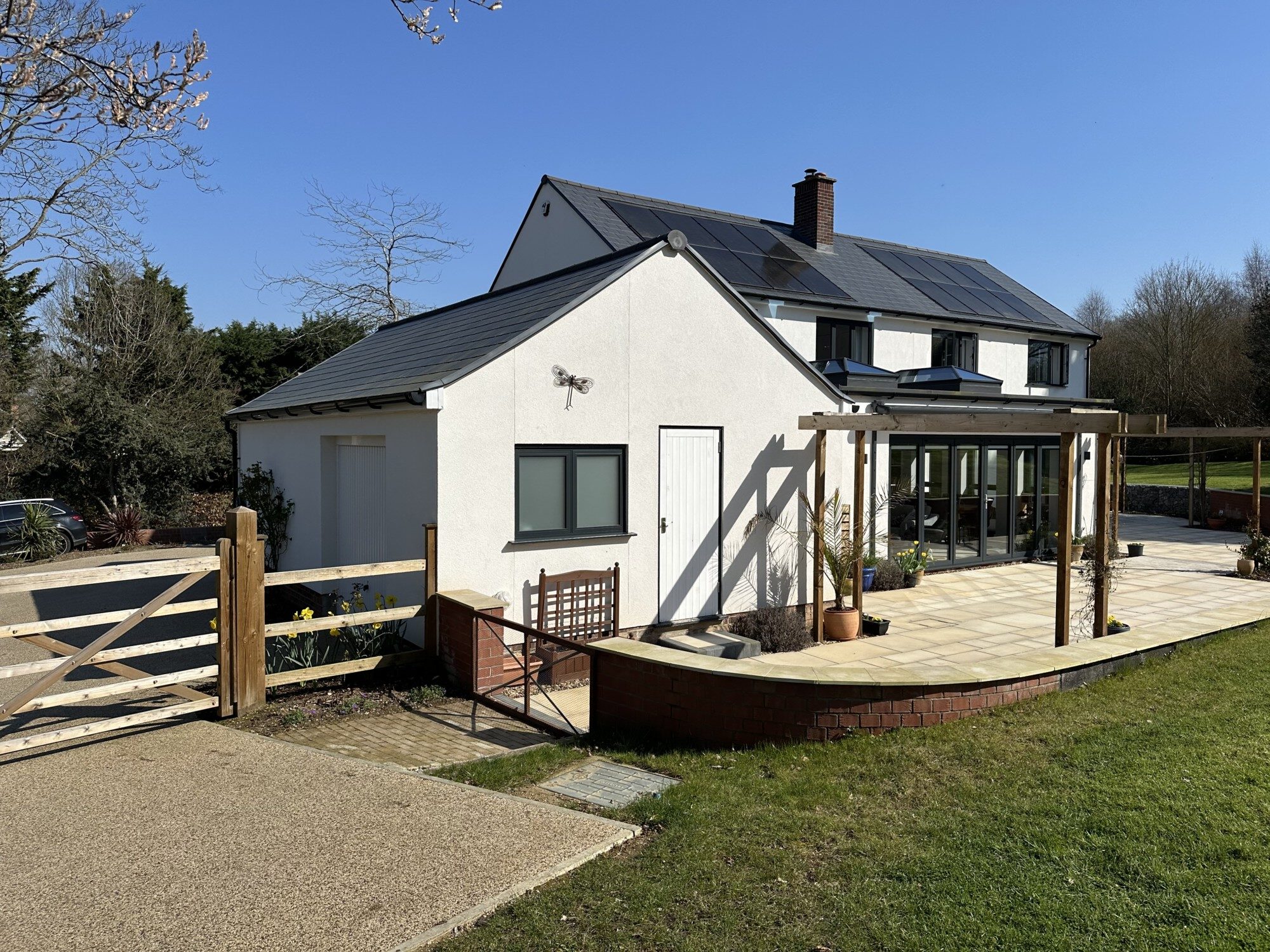
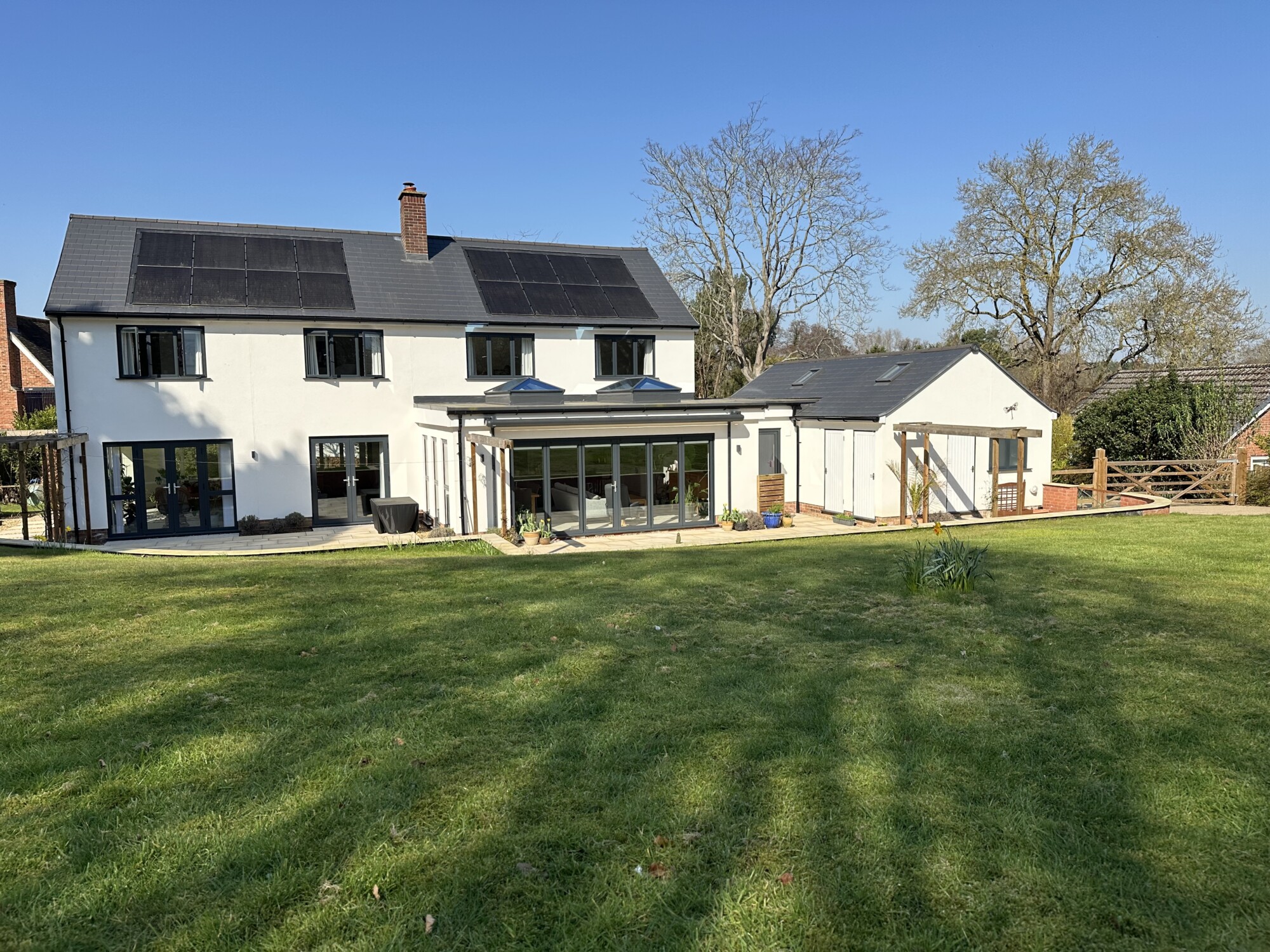
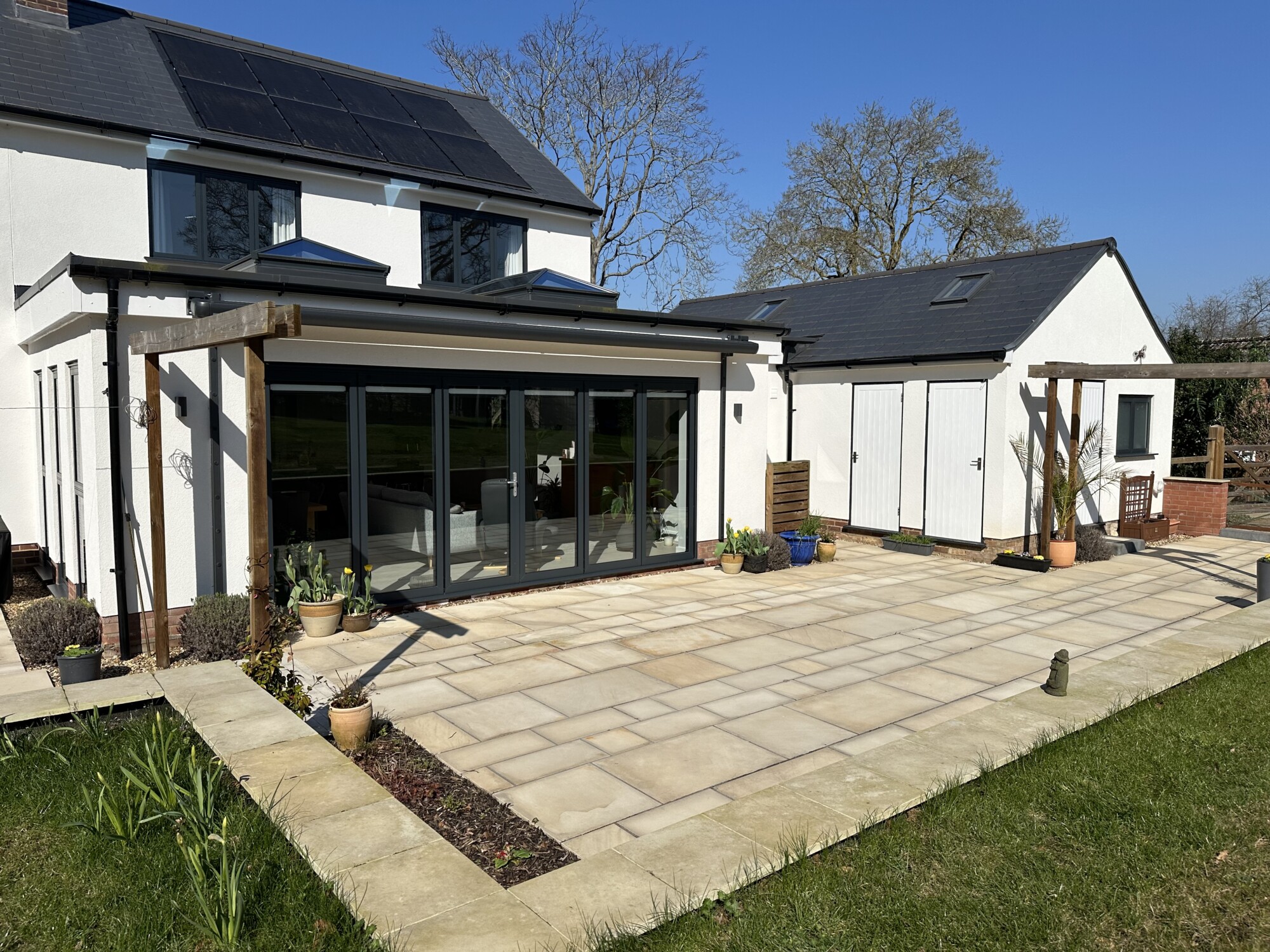
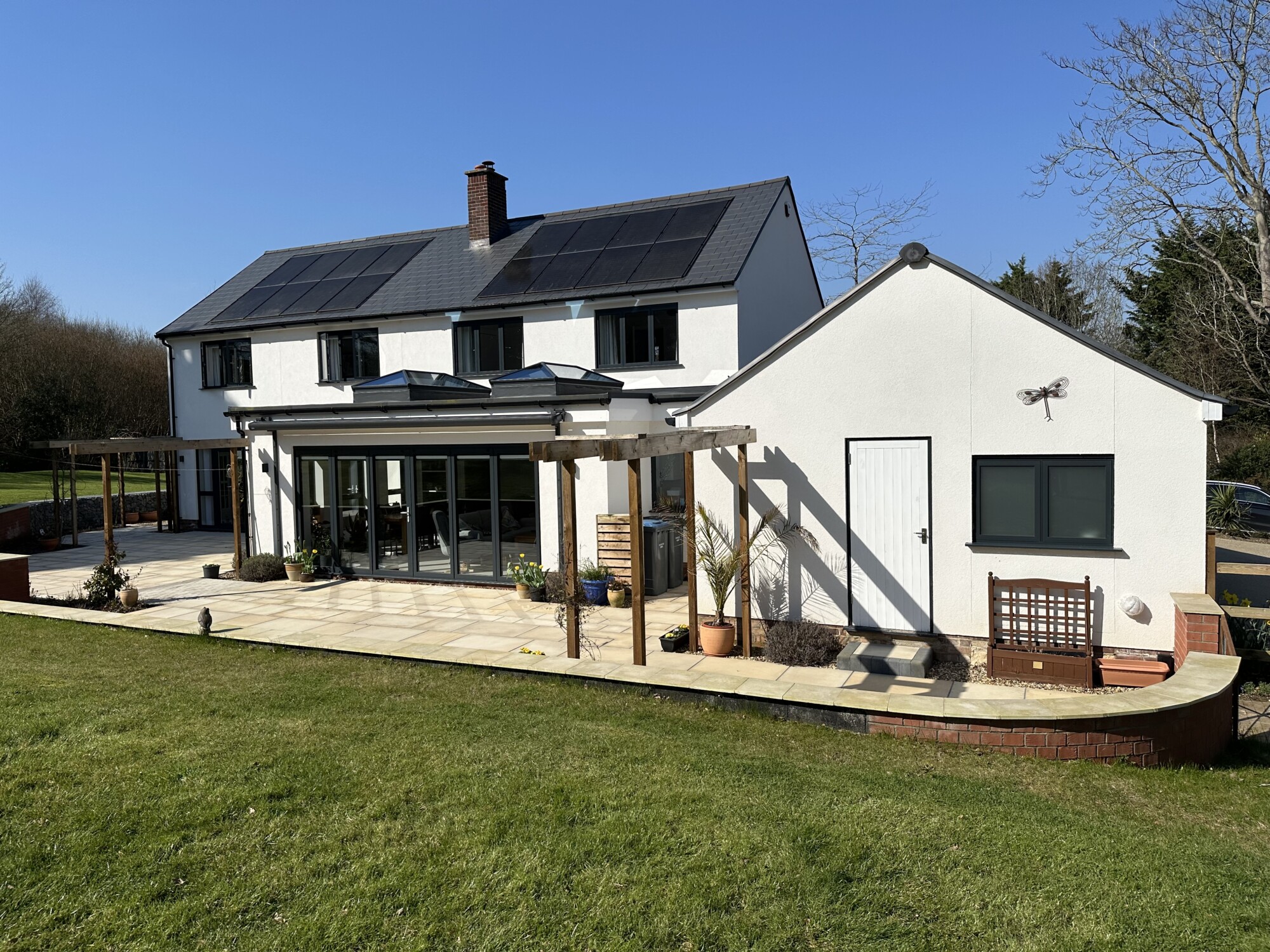
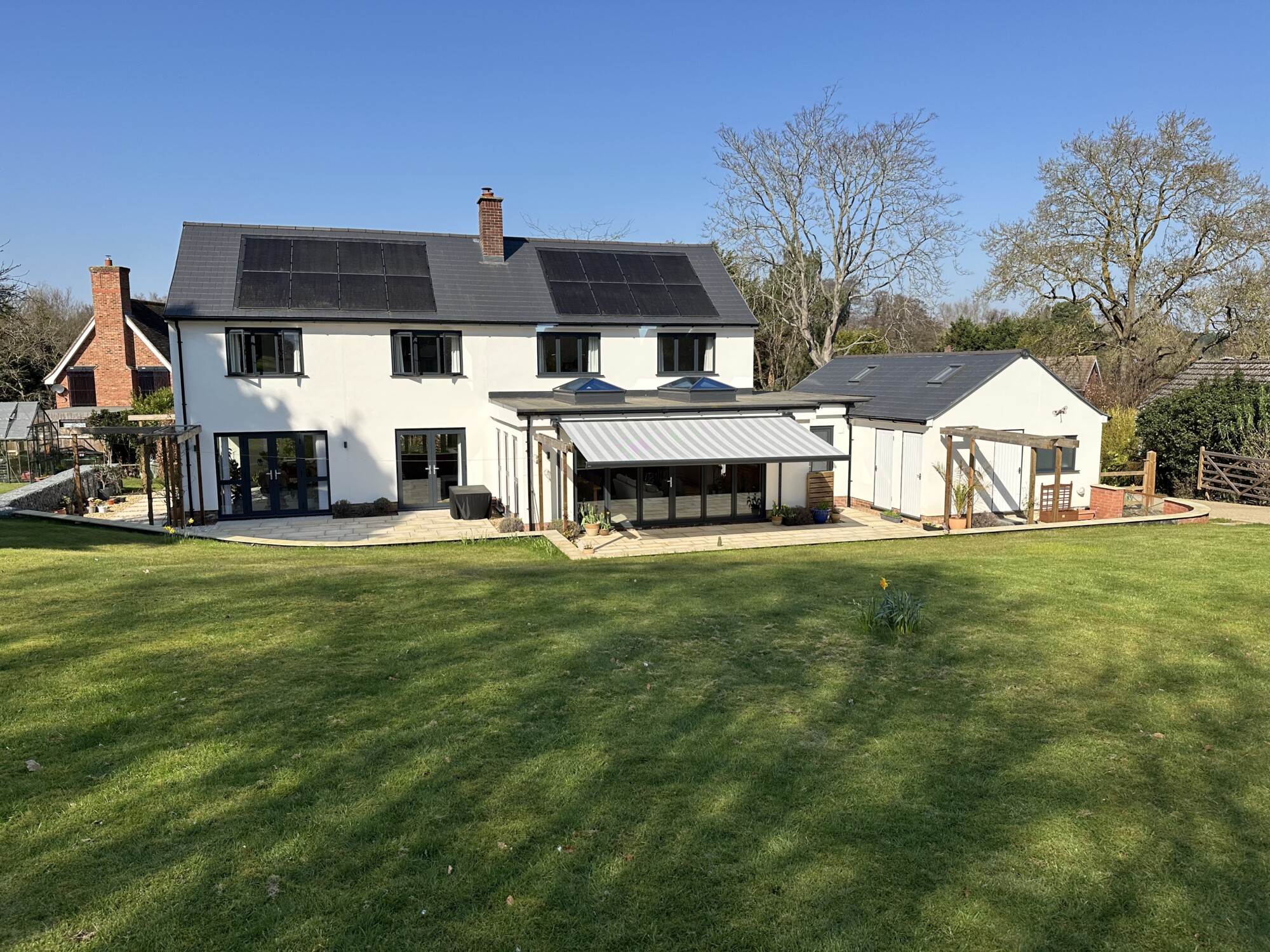
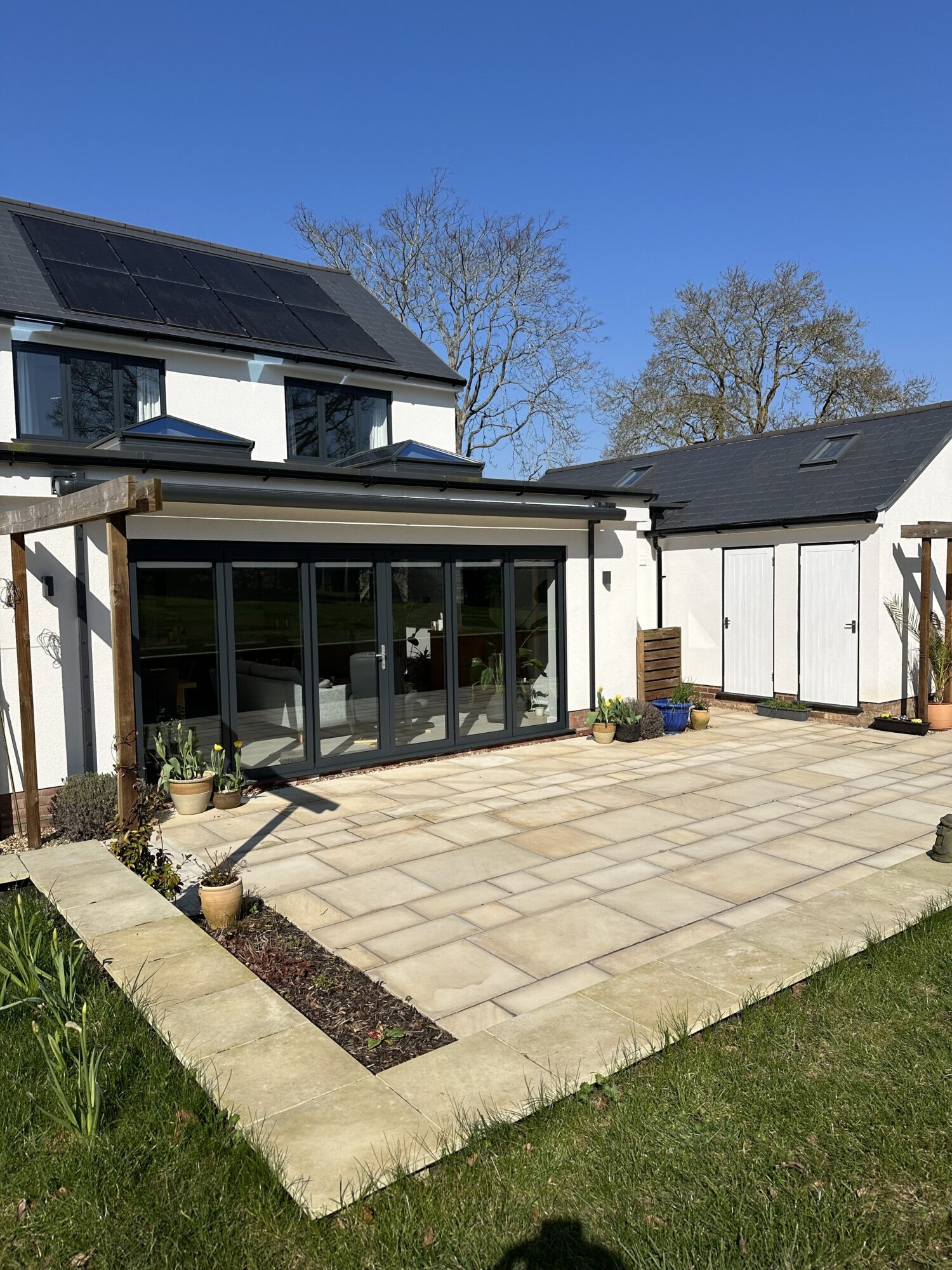
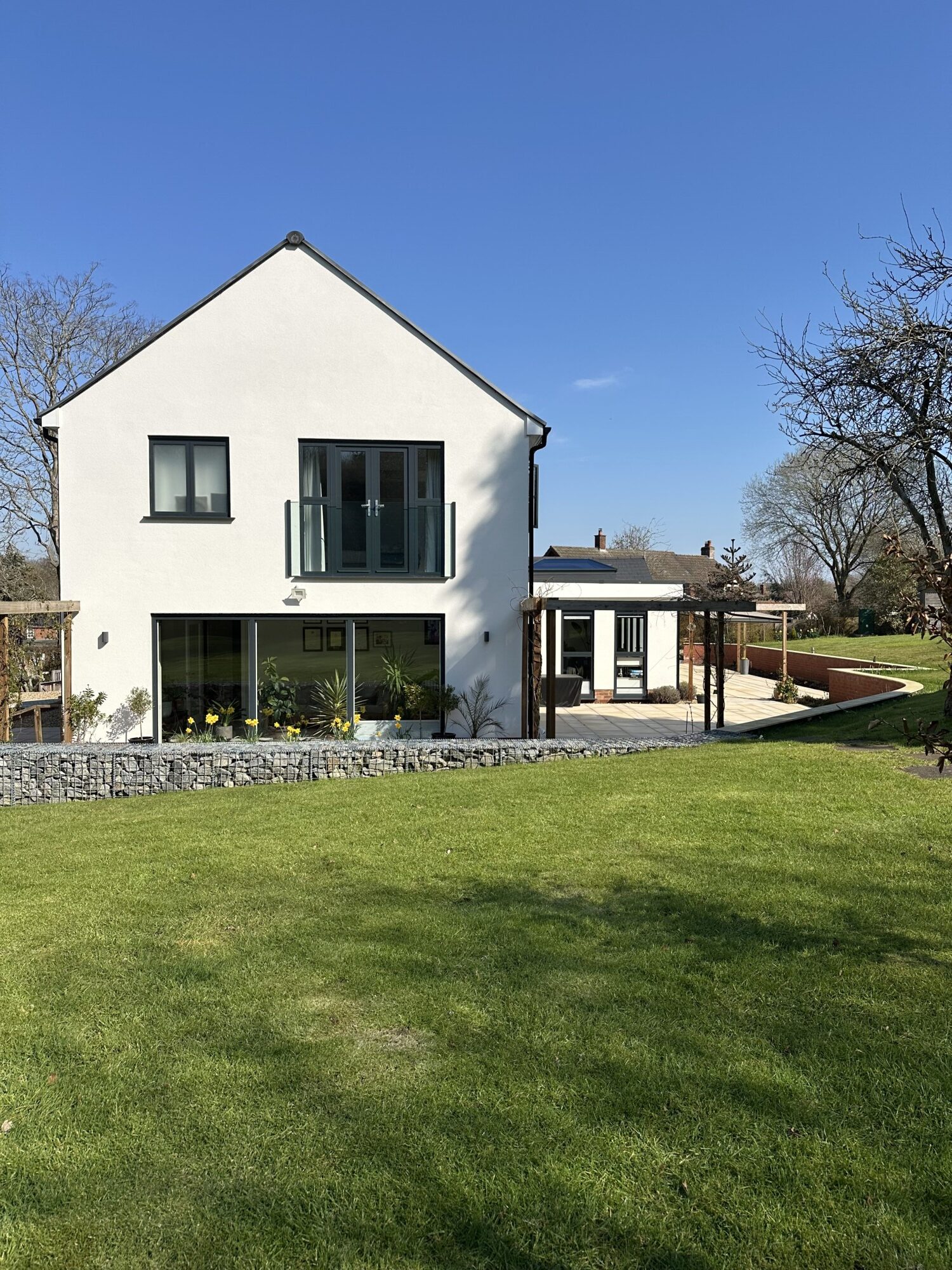
Is your home starting to feel a little too “cosy”? Before you endure the headache of the UK property market, consider the transformative potential of a bespoke home extension. Whether it’s a sleek glass-roofed kitchen or a multi-storey addition, extending is about more than just adding square footage—it’s about enhancing your quality of life.
Tailored to Your Lifestyle
The most immediate benefit is the ability to customise your environment. Moving to a new house often means compromising on layout, but an extension is a blank canvas. You can finally create that open-plan kitchen-diner for entertaining, a dedicated garden office to separate work from home life, or a much-needed utility room to hide the laundry. It’s about making your home work for you, not the other way around.
Significant Value Appreciation
In the UK, space is a premium commodity. Adding a high-quality extension is widely regarded as one of the most reliable ways to increase a property’s market value.
- Bedroom additions: Adding a loft conversion or a side extension to create an extra bedroom can increase value by up to 20%.
- Kitchen upgrades: A modern, extended kitchen remains the “heart of the home” and a primary selling point for future buyers.
- Return on Investment: In many cases, the value added to the property significantly outweighs the cost of the build, making it a savvy long-term financial strategy.
Financial Efficiency
Relocating is expensive. When you move, you lose thousands of pounds to “dead money” that adds no value to your life:
- Stamp Duty: A significant cost that vanishes into the Treasury.
- Estate Agent Fees: Usually a percentage of your sale price.
- Legal & Surveying Fees: Necessary but costly administrative hurdles.
- Removals: The physical and financial stress of transporting your life.
By choosing to extend, every pound you spend is an investment in your own asset.
Future-Proofing your Home
As families grow or circumstances change, an extension provides the flexibility to stay in a neighbourhood you love. Whether you need an annex for an elderly relative or a playroom for growing children, extending allows your home to evolve alongside you, maintaining community ties and school catchments.